Folio 151a
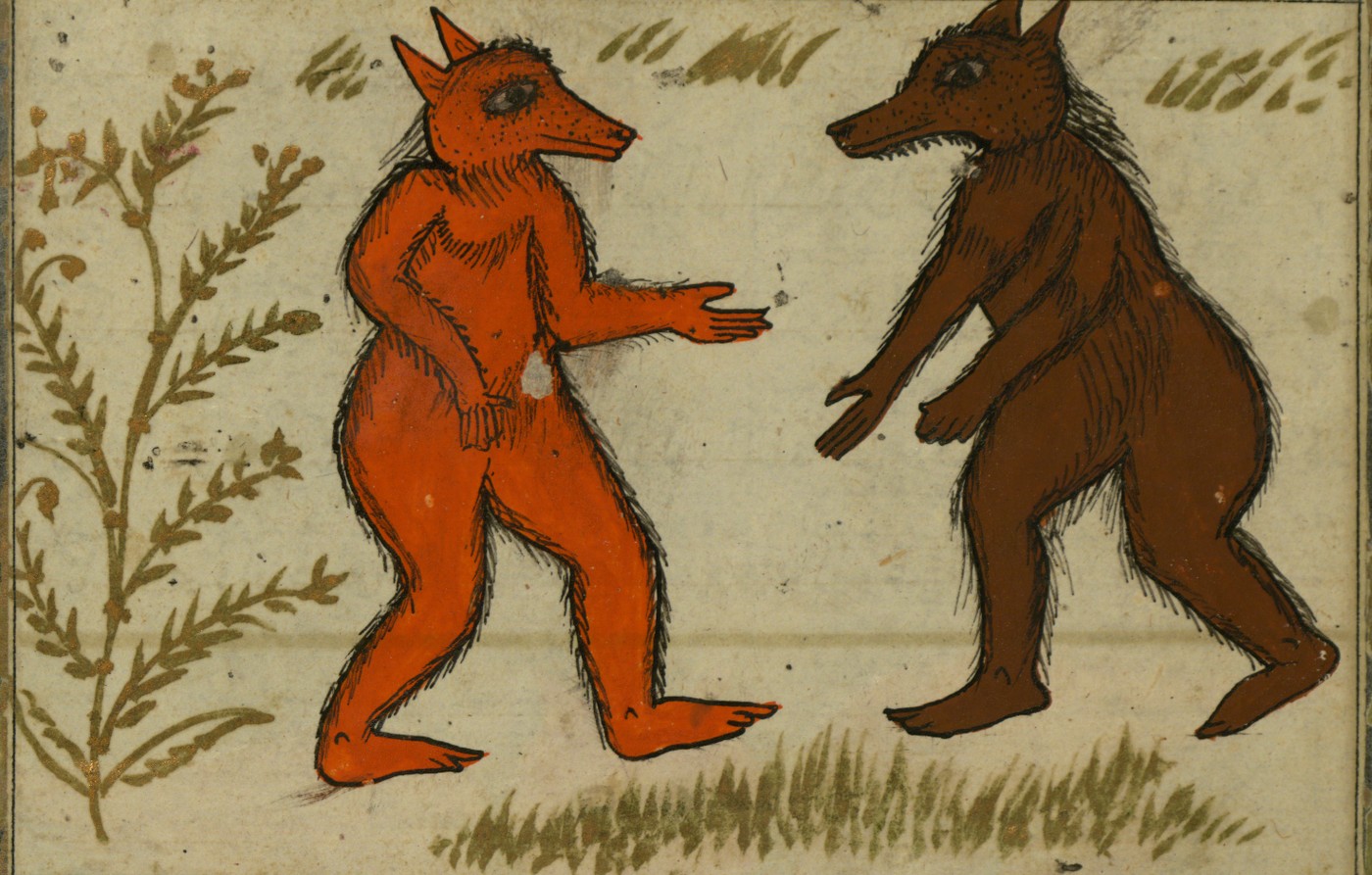
…of human make, with heads like the heads of dogs. When Alexander drew near, they vanished from sight; they understood that these were jinn who had taken on that form. Here is its picture.*1*2
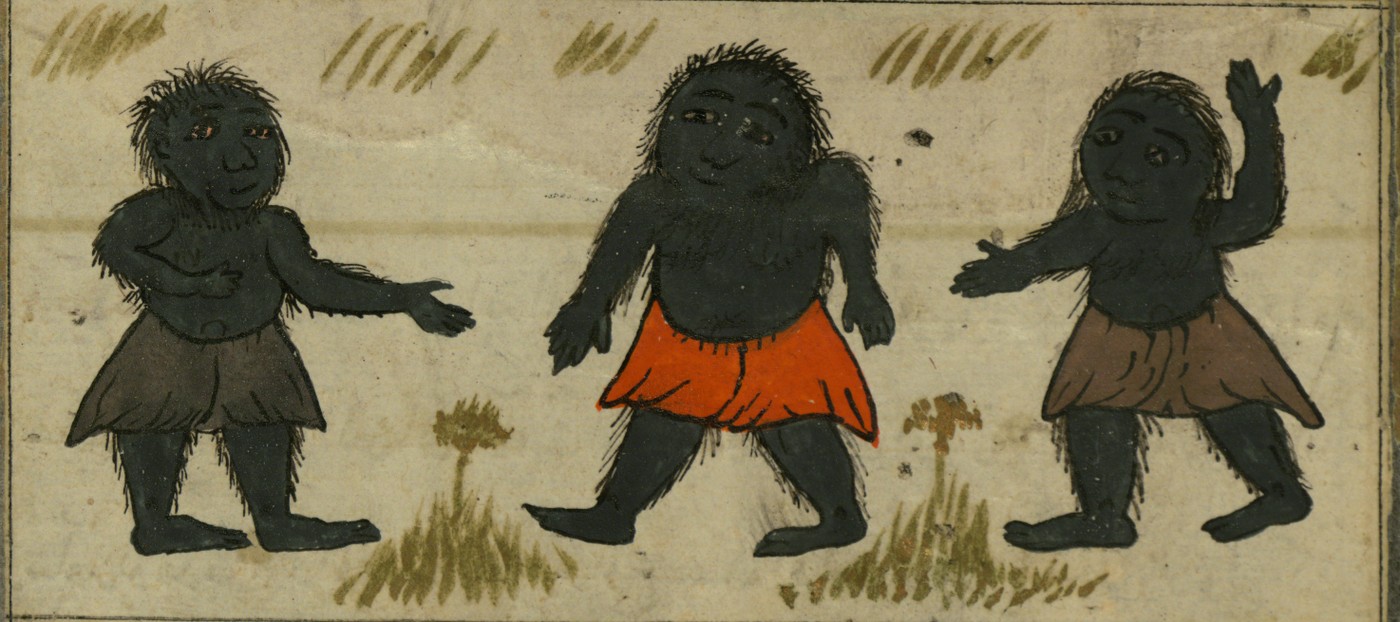
Sailors relate: whenever the sea swells and great waves rise, a people comes out of the sea. Their bodies are black and they are about four spans tall. They climb onto ships but do no one any harm at all; then they go back into the sea. Here is their picture.*3
There is yet another people: when a ship has caught the wind and is running fast, they catch up with it, bring ambergris and exchange it for an equal amount of iron; they take the iron in their mouths and return to their island. They are a black folk like the Zanj, and so numerous that none but God knows their number. They are called «Mahkawi». When they get the chance with people…*4*5*6*7*8
continues on fol. 155bIn every city there is a great wall in…* Needs human approval · 8
- *1line 1
انسان خلقتی اوزرهSatır cümle ortasında başlıyor; özne (köpek başlı varlıklar) 150b'de. 150b okunmadan p1'in başı bağlamsız. - *2line 2
وهذه صورتهother readings:وهذه صورتهمHarfler açık: tekil -هُ (harekeli). Gönderge çoğul olsa da diplomatik olarak tekil bırakıldı; 5. satırdaki 'صورتهم' ile karşılaştır. - *3line 4
هدرتother readings:درت,قدرت,قدرYazılan biçim: başta halka (ه benzeri), sonra د ر ت; nokta yok. 'dört şibr' (dört karış) okundu: bağlam boy ölçüsü istiyor, Kazvînî'nin bu kavim için verdiği 'dört karış' rivayetiyle de uyumlu (hafızadan, metinle karşılaştırılmadı). Halka büyük ihtimalle د'nin kuyruklu yazımı veya kalem kayması; çözülmedi. - *4line 6
دوزكارینother readings:روزكارینHarf açıkça د (nokta yok), yani 'düzgâr'. Anlam 'rüzgâr / uygun rüzgâr' — Farsça rûzgâr'ın denizcilikteki 'düzgâr' (elverişli rüzgâr) biçimi olabilir; sözlükte doğrulanmadı. - *5line 7
ایرشورلرother readings:ایریشورلرر ile ش arasında ikinci bir diş seçilemiyor; okuma (irişürler 'yetişirler') değişmiyor. - *6line 8
چوقدرother readings:بوقدرİlk harfin altındaki noktalar kısmen lekeli; üç nokta (چ) seçiliyor. 'ol kadar çokdur' bağlamla uyumlu; 'ki' yazılmamış. - *7line 9
محكویother readings:مجكوی,مُحكَویKavim adı. م ح ك و ی net, ح üzerinde/altında nokta yok. Kazvînî'nin Arapça aslındaki adla karşılaştırılmadı; özel ad, tahmin yok. - *8line 9
بولدقother readings:بولدقده,بولدقهKelime çerçeveye dayanıyor, son harf(ler) lekeli. Görünen ب و ل د ق; anlam 'buldukda' gerektiriyor, cümle 151b'de sürüyor. Fazlası yazılmadı.